Oríkì
Lineage-based praise poetry and expressions of identity, ancestry, character, place, and collective memory.
Explore Oríkì →ORAL TRADITIONS
Preserving the spoken histories, praise poetry, proverbs, songs, indigenous knowledge, and community memories through which Yoruba heritage has been carried across generations.
WHY ORAL TRADITION MATTERS
Across Yoruba society, knowledge has been transmitted through speech, performance, memory, relationship, and practice. Oral traditions can preserve histories of people and places, lineage, authority, migration, values, conflict, celebration, and everyday life.
RHMO approaches these traditions as heritage that deserves careful documentation and interpretation—not simply as performance, but as sources through which communities remember and explain their past.
WHAT WE DOCUMENT
Our oral-tradition work brings together different forms of knowledge while preserving their distinct cultural contexts.
Lineage-based praise poetry and expressions of identity, ancestry, character, place, and collective memory.
Explore Oríkì →Recorded memories and testimonies from elders, custodians, families, practitioners, and communities.
Language, proverbial thought, traditional knowledge, and cultural interpretation carried through generations.
Recitations, ceremonial knowledge, traditions of court and palace life, and memories connected to royal institutions.
Musical and spoken forms associated with war, celebration, mourning, festivals, work, and communal life.
Local histories, place-based knowledge, migration stories, family memory, and the people who keep them alive.
OUR APPROACH
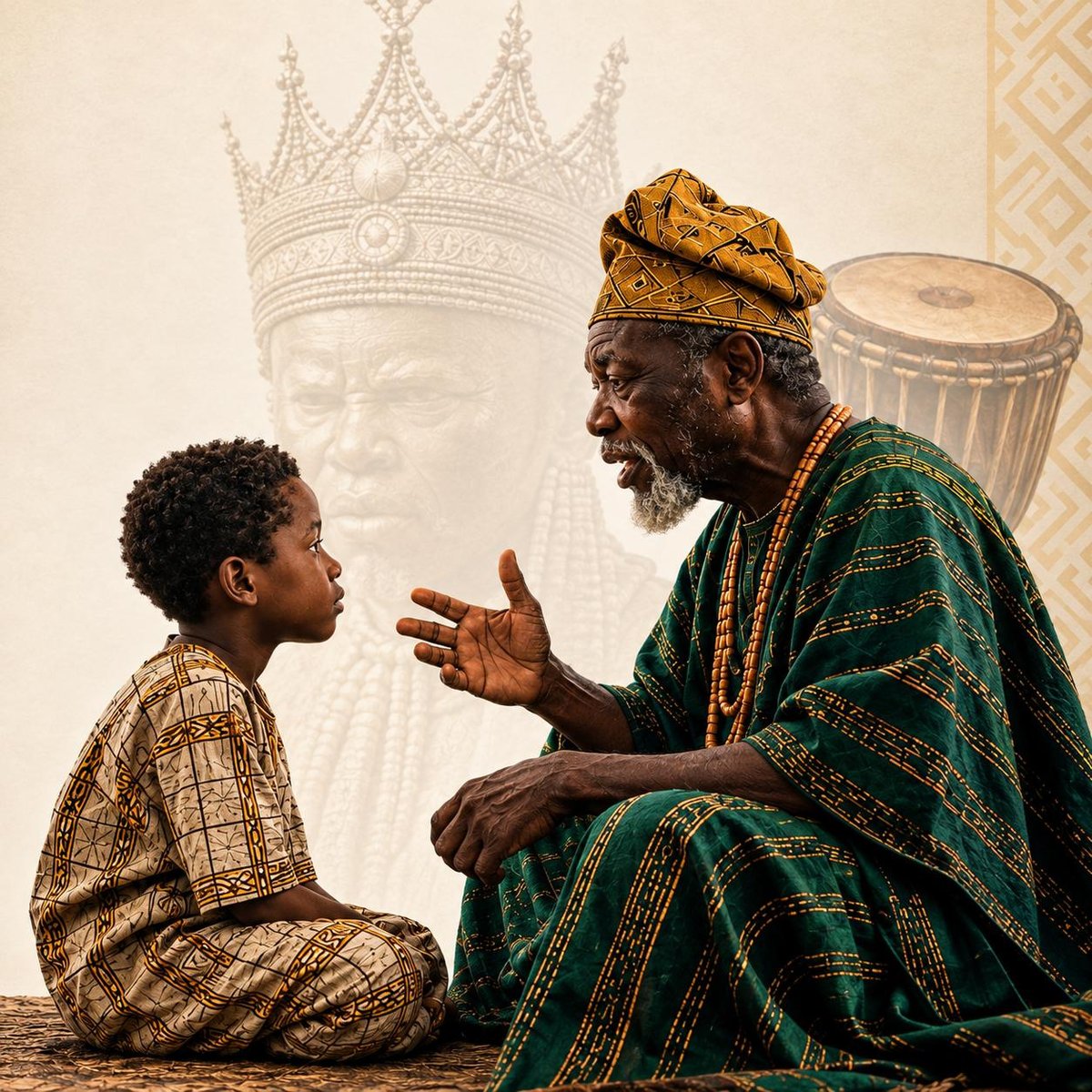
Oral heritage requires more than recording words. RHMO seeks to document the people, places, language, circumstances, and meanings surrounding each account so that future audiences can understand the context in which knowledge was transmitted.
FEATURED ENTRY
Reading Ibadan Through Oral Memory
Our work begins with individual histories and oral traditions connected to Yoruba communities and royal institutions. The Ibadan entry brings an Oríkì together with historical interpretation, showing how oral memory can illuminate a city's people, conflicts, movements, landscapes, and identities.
Read the Ibadan Entry →BUILDING THE ARCHIVE
RHMO is developing an oral-tradition archive that can bring together recordings, transcriptions, translations where appropriate, contextual notes, research, and digital interpretation.